
An expanded perspective incorporating insights from TotalSDS originally published in Patterson’s Insight magazine.
Managing Safety Data Sheets (SDS) has always been a critical part of maintaining a safe and compliant work environment, especially in industries handling chemicals daily — like dental practices, veterinary clinics, medical suppliers, distributors, and manufacturing facilities. But as regulatory expectations grow, workplace environments become more complex, and chemical inventories expand, traditional SDS workflows increasingly fall short.
Organizations are recognizing what many industry leaders have already concluded: modern SDS management requires digital, automated systems that reduce risk, eliminate manual inefficiencies, and provide accurate chemical data instantly when it matters most.
This article expands on ideas originally presented in Patterson’s April Insight publication and explores how TotalSDS is helping organizations move toward a more efficient, future-ready SDS strategy.
Looking for the highlights? Download the Executive Summary White Paper for essential insights, trends, and practical considerations for modernizing SDS management.
The Growing Complexity of SDS and Chemical Compliance
Chemical compliance is no longer a static checklist. Regulatory oversight changes frequently, and organizations must stay responsive to evolving requirements under OSHA’s Hazard Communication Standard (HCS), updated GHS frameworks, and additional state-level mandates. Learn more about navigating chemical compliance with OSHA, REACH, GHS, and CLP.
At the same time, workplaces today look very different than they did even five years ago:
- Practices and clinics often operate across multiple locations.
- Workforces include more part-time, rotating, or hybrid staff members.
- Product inventories change rapidly as suppliers introduce new materials or reformulate existing ones.
- Digital recordkeeping is now the norm, but SDS management often remains an exception.
When SDS access relies on printed binders, emailed PDFs, or vendor websites, the result is a fragmented system that is difficult to maintain and nearly impossible to standardize. Outdated or missing SDS documents introduce risk at every level: operational, regulatory, and safety.
Ultimately, as chemical and compliance landscapes expand, manual methods simply cannot keep up.
Key Takeaway:
Modern chemical environments are more dynamic, distributed, and regulated than ever before. Without a centralized, digital approach, organizations face growing gaps in accuracy, consistency, and compliance, making traditional SDS workflows increasingly unsustainable. Explore the key benefits of digitalizing safety sheets.
Manual SDS Management: Hidden Costs and Safety Risks
Most organizations still underestimate how resource-intensive and risky manual SDS processes can be. The issues go far beyond inconvenience and often lead to real operational, regulatory, and safety consequences.
1. Delayed Access to Critical Information
When an SDS is needed, especially during an inspection or an emergency event, every second matters. Searching through physical binders, shared drives, or outdated file systems creates unnecessary delays. These delays can increase the likelihood of improper chemical handling, elevate exposure risks, and undermine confidence during audits or regulatory reviews.
2. Outdated or Inaccurate Documents
Without an automated system to maintain current versions, SDS libraries often fall out of alignment with the most recent manufacturer updates. Common issues include outdated versions, incorrect hazard classifications, vendor-specific inconsistencies, or mismatched product records caused by manual data entry. Any of these gaps can create significant liability when inspectors request documentation or when staff rely on incorrect information during routine tasks.
3. Time Lost to Manual Updates
Manually managing SDS documents is deceptively time-consuming. Staff must track down updated versions, replace old files in binders or shared folders, distribute updated copies to multiple locations, and verify that all records remain complete. Even smaller organizations can lose hours each month to this administrative work. Larger operations may spend hundreds of hours annually, pulling valuable employees away from higher-priority tasks.
4. Visibility Gaps Across Locations
In multi-site organizations, SDS management often varies from location to location. One facility may be diligent about updates while another may not. This lack of standardization leads to inconsistent documentation quality, uncertainty about compliance readiness, and uneven safety practices across teams. Leaders may not know which locations are fully compliant and which have critical gaps until an inspection or incident occurs.
5. Increased Risk During Emergencies
During chemical spills, exposure incidents, or unexpected reactions, staff need immediate access to accurate SDS information. Outdated documents or hard-to-find files can lead to delayed or incorrect response actions. This increases the risk of injury, environmental harm, and operational disruption. It also compounds liability when post-incident investigations highlight preventable documentation issues.
These challenges underscore why many organizations are reevaluating their SDS approach and shifting toward digital SDS solutions that reduce manual work, strengthen accuracy, and improve overall compliance.
The Case for Automation: What Digital SDS Solutions Solve Immediately
Automation transforms SDS management from a reactive, manual process into a streamlined, reliable system. With a centralized digital platform, organizations can eliminate the inefficiencies that have historically burdened safety and compliance teams.
1. Automated SDS Updating
Digital platforms continuously monitor and synchronize SDS versions from verified sources. This removes the burden of manual updates while ensuring that staff always access the most current information.
2. Centralized Document Access
Whether a facility has one location or fifty, every SDS lives in a single, searchable platform. This solves one of the most persistent issues in compliance: decentralized and conflicting SDS libraries.
3. Real-Time Version Control
Users no longer need to guess whether an SDS is the most recent version. A unified platform ensures version accuracy and eliminates outdated duplicates.
4. Reduced Administrative Burden
Automation returns hours of staff time, allowing teams to focus on core responsibilities instead of manual data retrieval and maintenance.
5. Faster Access in Emergencies
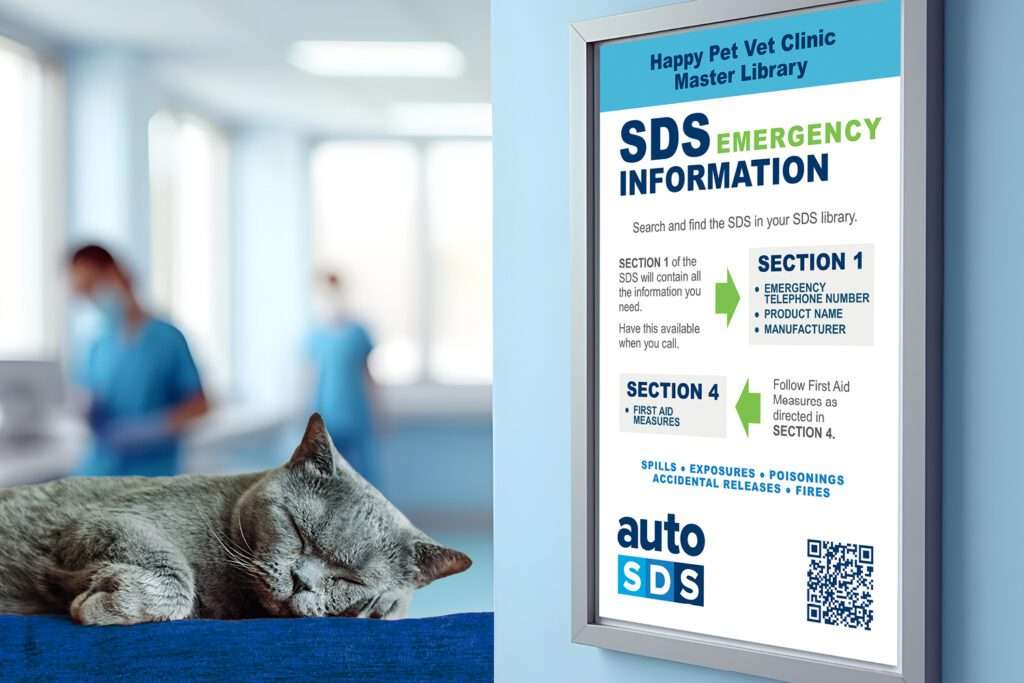
Digital access points — QR codes, mobile apps, or cloud platforms — provide immediate SDS retrieval, which is crucial during spill response or exposure events.
6. Improved Compliance During Audits
Auditors increasingly expect evidence of version control and accessible SDS documentation. Digitization strengthens compliance posture and reduces the risk of penalties.
These benefits reflect the growing consensus across industries: modern SDS management is essential, not optional.

How TotalSDS Enhances the Automated SDS Model
While automation is the foundation, TotalSDS goes further by providing a more robust, accurate, and scalable approach to SDS management. Building on the themes introduced in the Patterson publication, TotalSDS elevates digital SDS management in several critical ways.
1. Standardizing Data Sources
Many SDS platforms rely heavily on web scraping or unverified third-party uploads. TotalSDS prioritizes sourcing directly from manufacturers and trusted distributors, improving accuracy and reducing mismatches.
2. Integrating SDS into Daily Workflows
TotalSDS enables access through QR codes, tablets, and cloud libraries so staff can access SDS instantly at the point of use. This reduces friction and strengthens safety culture across an organization.
3. Increasing Visibility Across Multiple Locations
For organizations with distributed teams or multiple facilities, TotalSDS provides administrative oversight and consistent documentation—ensuring every location operates under the same compliance standards.
4. Building Trustworthy Chemical Data
Accurate SDS data powers more than compliance. It informs chemical handling decisions, safety protocols, incident response, and even purchasing choices. TotalSDS ensures that chemical data is consistent and reliable.
5. Enabling Scalable Growth
Growing organizations often struggle to expand their SDS systems as they add new products, locations, or personnel. TotalSDS is built to scale seamlessly, ensuring that compliance infrastructure grows with the organization.
These capabilities shift SDS management from “reactive recordkeeping” to proactive, strategic safety operations.
Industry Use Cases: Practical Impact of Digital SDS Adoption
The shift toward digital SDS management is reshaping safety and compliance practices across a wide range of environments. The examples below illustrate how organizations are experiencing measurable improvements in efficiency, consistency, and risk reduction.
Dental Practices
Dental offices operate in tightly regulated environments where chemical disinfectants, sterilization products, and impression materials require up-to-date SDS documentation. During OSHA inspections, officers often request SDS access early in the visit.
With digital SDS systems, dental teams can retrieve documents instantly from a tablet or workstation, reducing disruption, improving confidence during inspections, and ensuring staff always reference the correct hazard information during daily procedures.
Veterinary Clinics
Veterinary practices handle a diverse mixture of pharmaceuticals, cleaning agents, anesthetics, and specialty chemicals. In multi-location networks, each clinic often manages SDS differently, which leads to inconsistencies in safety practices.
A centralized, digital SDS library gives every clinic access to the same up-to-date documentation, standardizes training expectations, and reduces compliance risk across the entire network.
Distributors and Warehouses
Distribution centers and warehouses frequently handle large quantities of chemicals and packaged goods with varying hazard profiles. Chemical spills or damaged packaging require immediate access to the correct SDS so staff can respond safely.
Digital SDS platforms allow workers to scan QR codes or use mobile devices to pull up documents in seconds, improving response time, reducing injury risk, and strengthening the site’s preparedness during unplanned events.
Manufacturers
Manufacturers often maintain extensive chemical inventories with frequent supplier updates or formulation changes. Managing SDS manually can lead to mismatches, outdated signal words, and increased confusion on the production floor.
Centralized digital SDS management ensures every department is working from the same, current SDS source and improves communication between procurement, EHS teams, and operations when chemical information changes.
Educational or Research Labs
Academic and research environments rely heavily on proper chemical handling, but turnover among students, assistants, and early-career researchers makes training consistency challenging. SDS information is often scattered across binders or separate lab spaces.
Digital SDS access supports faster onboarding, more consistent safety instruction, and immediate availability across labs, classrooms, and research buildings—helping institutions maintain high safety standards despite frequent personnel changes.
These expanded use cases illustrate how digital SDS modernization offers not just convenience but meaningful improvements in safety, efficiency, and regulatory readiness for organizations of all sizes.
Building a Future-Ready SDS Strategy
Organizations planning for long-term operational resilience must ensure that SDS management aligns with modern expectations. A future-ready strategy should consider:
1. Centralization vs. Fragmentation
Scattered SDS documents across email, shared drives, and binders increase risk. Consolidation strengthens control and reduces administrative burden.
2. Reliability of SDS Data Sources
Not all platforms maintain rigorous sourcing standards. Reliable SDS sourcing is essential to ensuring accuracy and compliance.
3. Organization-Wide Accessibility
Teams need SDS access wherever they work—clinic rooms, labs, warehouses, remote offices, or multi-site operations.
4. Scalability and Flexibility
A modern SDS solution must adapt to new locations, new team members, and evolving chemical inventories.
5. Integration Within Larger Safety and EHS Systems
Digital SDS management shouldn’t exist in a silo. Instead, it should complement training, safety plans, and compliance systems.
Organizations that prioritize these elements position themselves for stronger compliance, safer workplaces, and more efficient operations.
From Insight to Implementation: Strengthening SDS Management in 2025
As industries continue to modernize their operations, SDS management stands out as an area where digital transformation produces immediate, measurable impact. Moving away from manual processes toward automated, accurate, and accessible systems improves safety, reduces risk, and strengthens compliance.
TotalSDS is committed to helping organizations navigate this shift and implement SDS strategies that meet the demands of today’s workplaces and tomorrow’s regulatory landscape.
Ready to explore the key takeaways, industry insights, and practical recommendations in a condensed, skimmable format?
This expanded discussion builds on the original ideas presented in Patterson’s Insight magazine and provides actionable guidance for organizations ready to modernize their SDS management strategy.