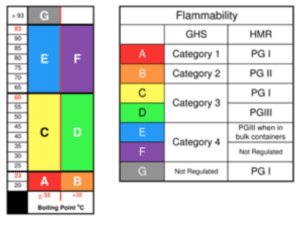
Hazardous Compliance Explained: Defining Hazardous
Manufacturers and distributors alike are subject to compliance, but attitudes toward compliance from those entities range from blissful ignorance to deliberate defiance. But navigating the laws and agencies can prove challenging at best. The goal of this article series is to provide insight into the communication and handling of what…

Compliance Facts to Know When Starting a Business
Starting a new business can feel overwhelming, with a long to-do list that often pushes compliance to the back burner. However, ensuring OSHA compliance is crucial for your business’ safety and success. OSHA’s primary mission is workplace safety, which includes employee and employer well-being. Neglecting compliance isn’t an option; it…

SDS Authoring for R&D Samples: A Q&A with TotalSDS

Why Your SDS Database or Library Matters
While all companies should periodically review, revise, and update their safety data sheet database, most don’t – that is, until a workplace incident is documented and OSHA takes the time to also review their HazCom paperwork. But by then, it’s too late. Safety data sheet information is essential for companies….

Hazardous Compliance Explained: Understanding Responsibility
To fully grasp the responsibility of hazardous chemical compliance, it’s crucial first to define what constitutes a hazardous substance. But what exactly is a hazardous substance? Previously, we explored the meaning of “hazardous” and noted that each regulatory agency uses its own terminology. Although the criteria for classifying these terms—such…

OSHA Compliance: Managing SDS Library to Avoid Hidden Costs
As the second most common OSHA violation, most businesses already have the Hazard Communication Standard (29 CFR 1910.1200) on their radar. Each office should have at least one staff member who understands the requirement to keep safety data sheets (SDS) for products both “readily available” and “up to date” in…