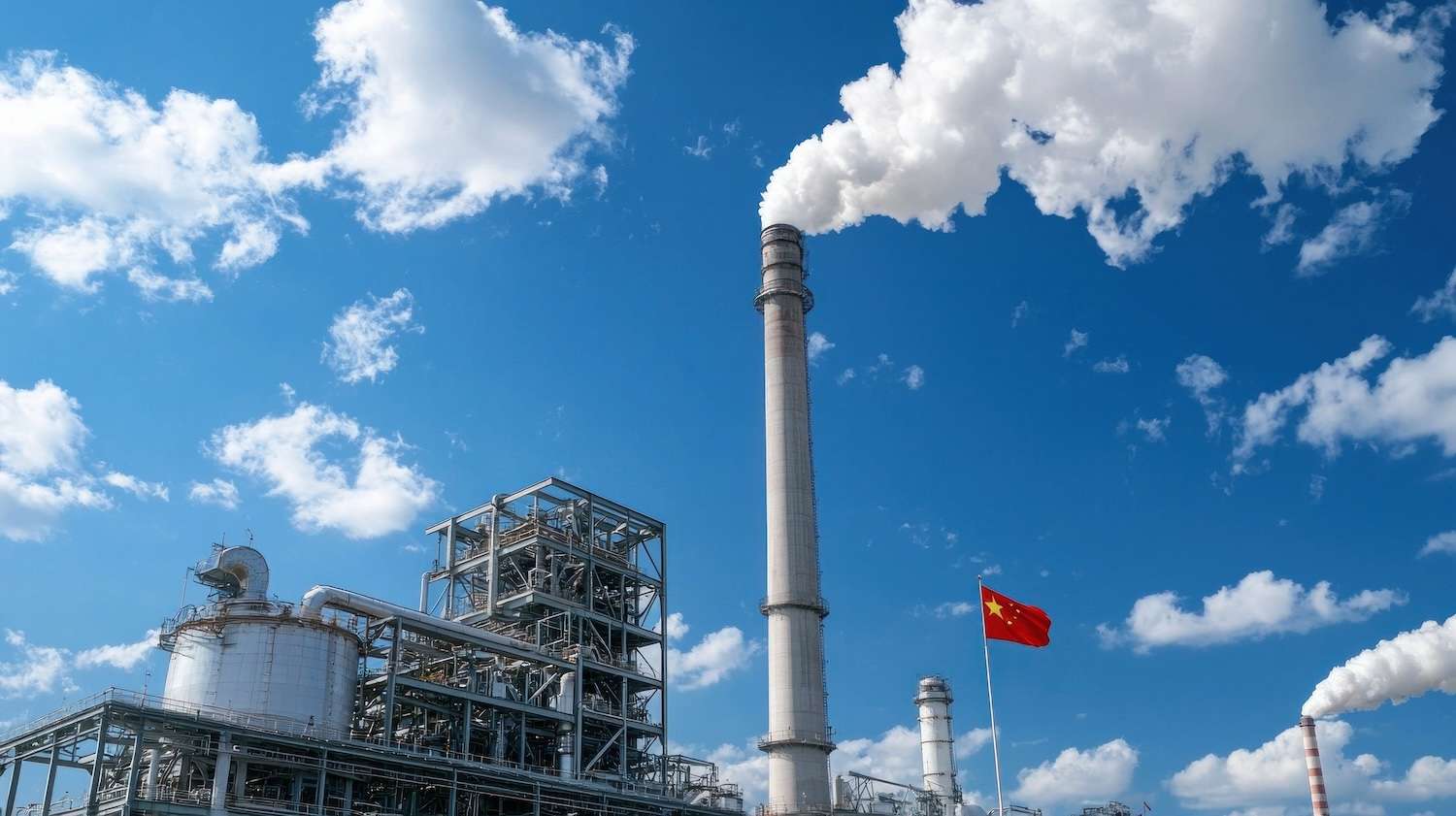
For the past year, label teams selling into China have been planning for a government-issued QR code on every hazardous chemical label. That work can stop. On September 11, 2026, China’s Ministry of Industry and Information Technology (MIIT) published the final draft of GB 15258, the mandatory standard for chemical safety labels. The safety information code is gone.
The rest of the revision still demands action. The new GB 15258 replaces GB 15258-2009, the first major overhaul of China’s label rules since 2009, and brings them in line with the UN GHS Rev. 11. It changes small-package labels, hazard statement order, fold-out labels, kits, and pictogram sizing. Label and SDS reviews should start now, before the transition clock begins.
Key Takeaways
- MIIT released the final draft of GB 15258 for a last public notice from September 12 to 18, 2026. Formal publication is the next step.
- The proposed “safety information code” QR requirement from the 2025 draft has been removed.
- Simplified labels are allowed on packages up to 500 mL, up from 100 mL.
- Hazard statements must follow a set order, and the new standard adds rules for fold-out labels, kits, and pictogram size.
- Implementation is proposed for 12 months after publication, so China-bound labels and SDSs need review now.
What Is Changing in China’s GB 15258 Final Draft?
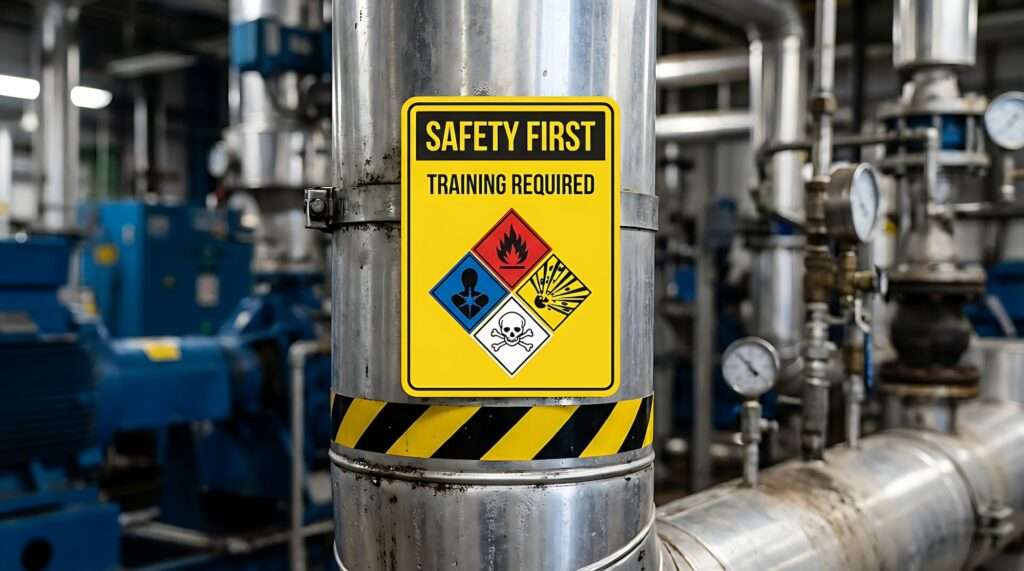
GB 15258 sets the content, order, format, and use of chemical safety labels in China. The final draft replaces the 2009 edition and aligns label elements with UN GHS Rev. 11, the current edition of the Globally Harmonized System. For most companies, the practical impact falls on label artwork, small packaging, and multi-component products.
| Label Element | GB 15258-2009 | GB 15258 Final Draft |
|---|---|---|
| GHS basis | UN GHS Rev. 2 | UN GHS Rev. 11 |
| Safety information code (QR) | Not required | Proposed in the 2025 draft, now removed |
| Simplified label threshold | Packages up to 100 mL | Packages up to 500 mL |
| Hazard statement order | Consolidation of statements permitted | Set order required for all statements |
| Fold-out labels and kits | No explicit requirements for fold-out labels; 2009 requirements for kits | New specific rules |
| Pictogram size | 2009 sizing rules | New sizing requirements |
Readers comparing versions can review the current GB 15258-2009 text on MIIT’s GHS portal alongside the draft. Both documents are published in Chinese.
Why Did China Drop the Safety Information Code?
China dropped the code after industry feedback on the 2025 draft for comments, which would have required a government-issued safety information code on every hazardous chemical label. The original standard project plan listed that code as one of eight label elements. Industry pushed back heavily during consultation, and the final draft removes the requirement entirely.
The change matters for artwork planning. Teams that reserved label space or built data processes around the code can reclaim that space. They should still expect the other layout changes.
When Will the New GB 15258 Take Effect?
The new GB 15258 takes effect after formal publication, followed by a transition period. China’s national standards platform lists a proposed implementation date of 12 months after publication. The publication date has not been announced, so companies cannot yet set a fixed compliance date but they can set a start date for their review.
Twelve months is short for an enterprise portfolio. Label artwork changes often need packaging supplier lead time, and every label change has to match the Chinese SDS for the same product.
What Should Companies Do to Prepare for GB 15258?
Preparation means identifying every China-bound product, then checking each label against the new rules before the transition begins.
- Build a China label inventory. List every product sold in China with its package sizes, label format, and current SDS version.
- Re-evaluate packages between 100 mL and 500 mL. These may now qualify for simplified labels, which can free up space and simplify artwork.
- Check hazard statement order. Labels that consolidated or reordered statements will need to follow the new set sequence.
- Review fold-out labels and kits. Multi-component products and extended-content labels fall under new specific rules.
- Confirm pictogram sizing. Existing artwork may not meet the new size requirements, particularlyon small packages.
- Align the SDS with the label. Classification and hazard statements on the Chinese SDS must match the updated label.
For a wider view of how China fits into multi-market documentation, see international safety data sheet considerations.
“Dropping the QR code removes the biggest operational unknown, but it doesn’t make this a light revision. Hazard statement order and pictogram sizing touch almost every China label, so companies with large portfolios should start their review before the standard is published, not after.” – Veronica Marrero, Director of Professional Services and Regulatory Operations
How Can SDS Authoring Software Help With China Label Updates?
SDS authoring software helps by applying a regulatory change once and carrying it across every affected document. Updating hundreds of China labels by hand invites inconsistency between label and SDS, and between products.
With SDS Author by Enhesa, the software is updated as regulatory changes become available, generating updated hazard classifications, corresponding label elements, and template modifications. Mass product updates then apply those changes across a portfolio. For Chinese-language documents, TotalSDS SDS translation is handled by native professional translators, and professional services cover SDS authoring for any global jurisdiction.
Need help reviewing China labels and SDSs before the transition? Request a quote from the TotalSDS regulatory team.
Get Your China Labels Ready Before the Transition Starts
GB 15258 is close to final, and the 12-month window will open on publication. Companies that inventory their China portfolio now will have artwork and SDS updates planned before that window starts. TotalSDS by Enhesa provides SDS authoring software and regulatory support to keep labels and SDSs consistent across China and your other markets.
*This article summarizes a draft standard and is general regulatory information, not legal advice.
Frequently Asked Questions
What Is GB 15258 and What Does the New Version Change?
GB 15258 is China’s mandatory national standard for chemical safety labels. The new version replaces GB 15258-2009 and aligns with UN GHS Rev. 11. It extends simplified labels to packages up to 500 mL, requires a set order for hazard statements, and adds rules for fold-out labels, kits, and pictogram size. The final draft does not include the safety information code proposed in 2025.
Does China Still Require a QR Code on Chemical Labels?
No. The 2025 draft of GB 15258 proposed a government-issued safety information code on hazardous chemical labels, but the September 2026 final draft removed it. Companies do not need to plan label space or data processes for that code under GB 15258.
When Do Companies Need to Comply With the New GB 15258?
Compliance is proposed for 12 months after the standard is formally published. MIIT closed its final public notice on September 18, 2026, and the publication date has not yet been announced. Companies should begin label and SDS reviews now.
Do Chinese SDSs Need Updating Along With Labels?
The label and SDS must present the same classification and hazard information, so label changes driven by GB 15258 should be checked against each product’s Chinese SDS. Reviewing both together avoids mismatches during inspections.
How Can TotalSDS by Enhesa Help With GB 15258 Compliance?
SDS Author by Enhesa is updated as regulations change, generating updated classifications, label elements, and templates that mass product updates can apply across a portfolio. TotalSDS also offers native professional SDS translation and regulatory consultation for any global jurisdiction. To see the workflow on your own products, schedule a demo.